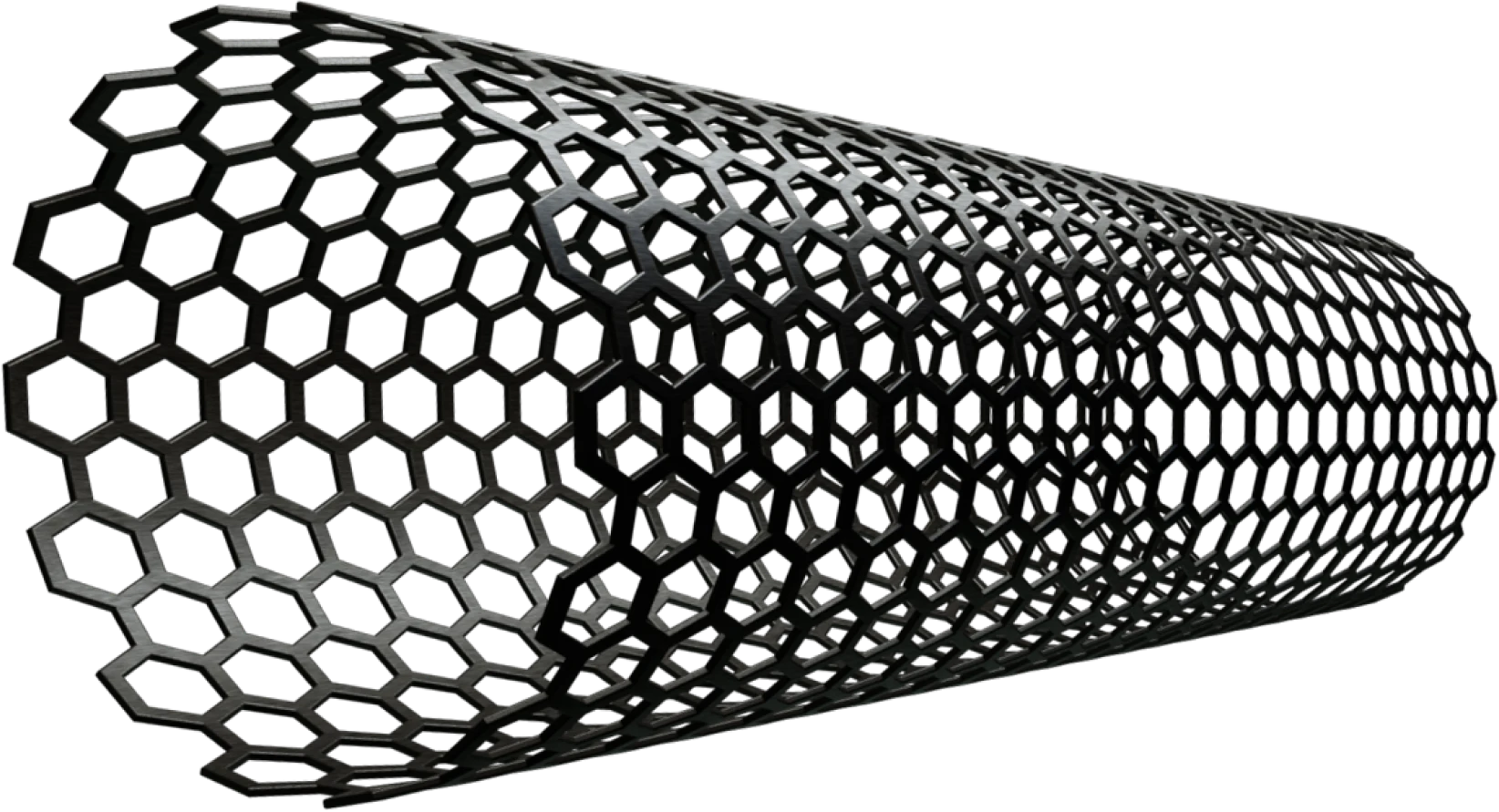
Graphene nanotubes provide stable, long-lasting anti-static performance while enhancing the mechanical strength and durability of conveyor components. This makes them particularly valuable across demanding industries—from electronics and semiconductors, where sensitivity to static electricity and contamination requires clean, reliable, and carbon-migration-free materials for ESD-safe handling, to chemical processing, oil & gas, grain handling, and powder processing, where combustible dusts, vapors, or gases can lead to static buildup and pose serious explosion risks.
By integrating graphene nanotubes, anti-static polyurethane rollers and castors, rubber conveyor belts, and silicone parts achieve superior performance and reliability. They help to prevent electrostatic discharge, increase durability, reduce contamination through zero carbon migration, ensure smooth and consistent material flow, protect people and sensitive equipment, and support compliance with stringent safety standards.
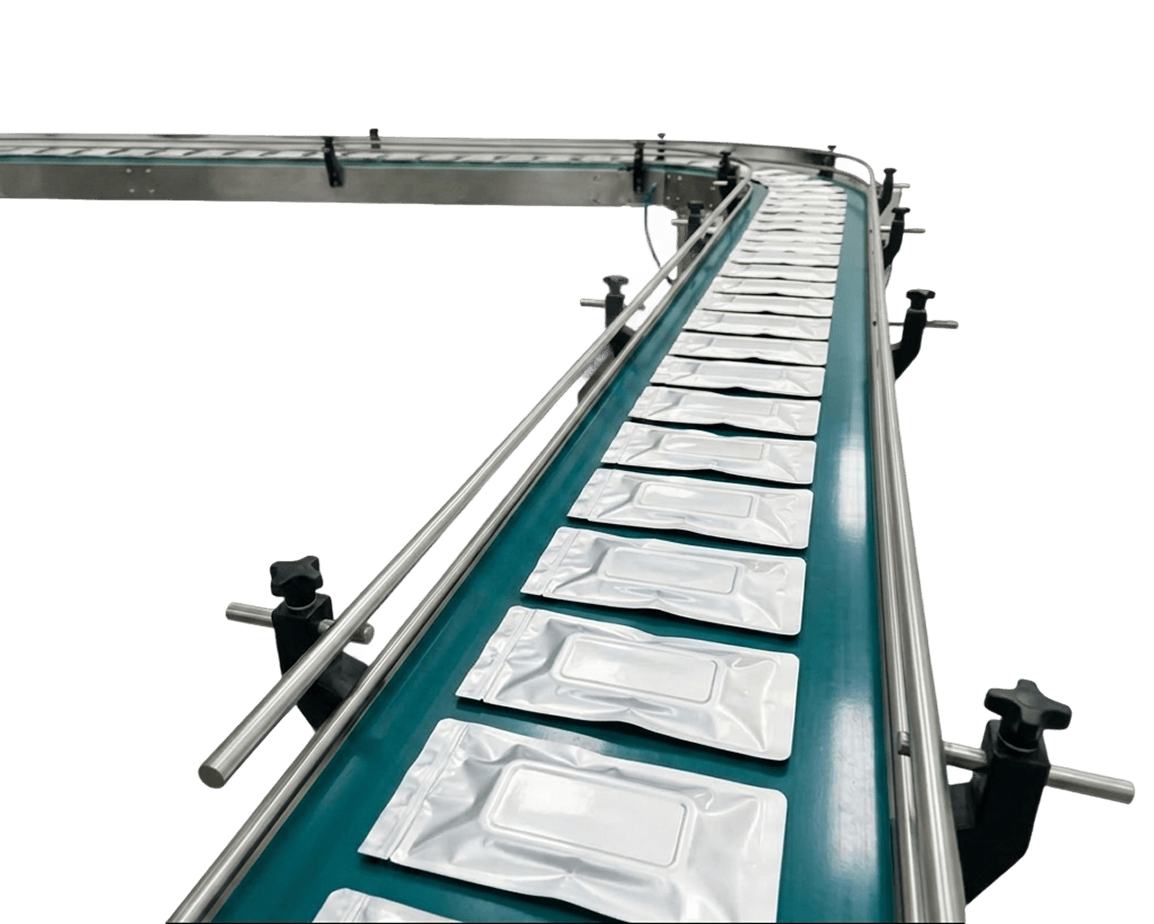





Conveyor elements used in electronics, semiconductors, extraction, and processing must comply with a combination of international standards, regional regulations, and industry guidelines.
Across all sectors, conveyor components must meet strict criteria for safety, durability, and environmental protection. To meet these increasing demands, advanced materials that enhance overall conveyor performance are essential—graphene nanotubes are a prime example of such a solution.

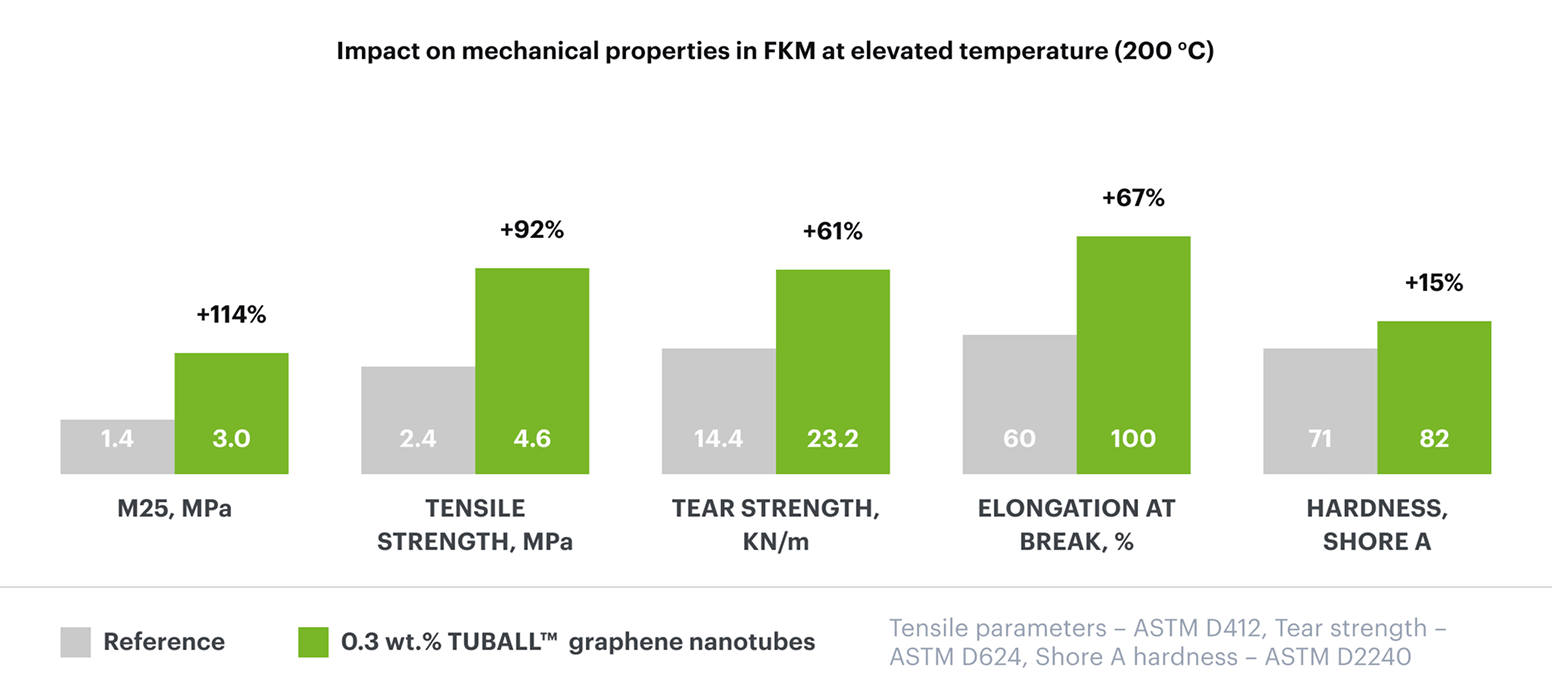
TUBALL™ graphene nanotubes ensure a superior combination of properties in various systems, including PU, FKM, NBR, NR, EPDM, silicones. In contrast to traditional conductive agents, they enable permanent anti-static performance along with preserving hardness and tensile strength and maintained chemical resistance.
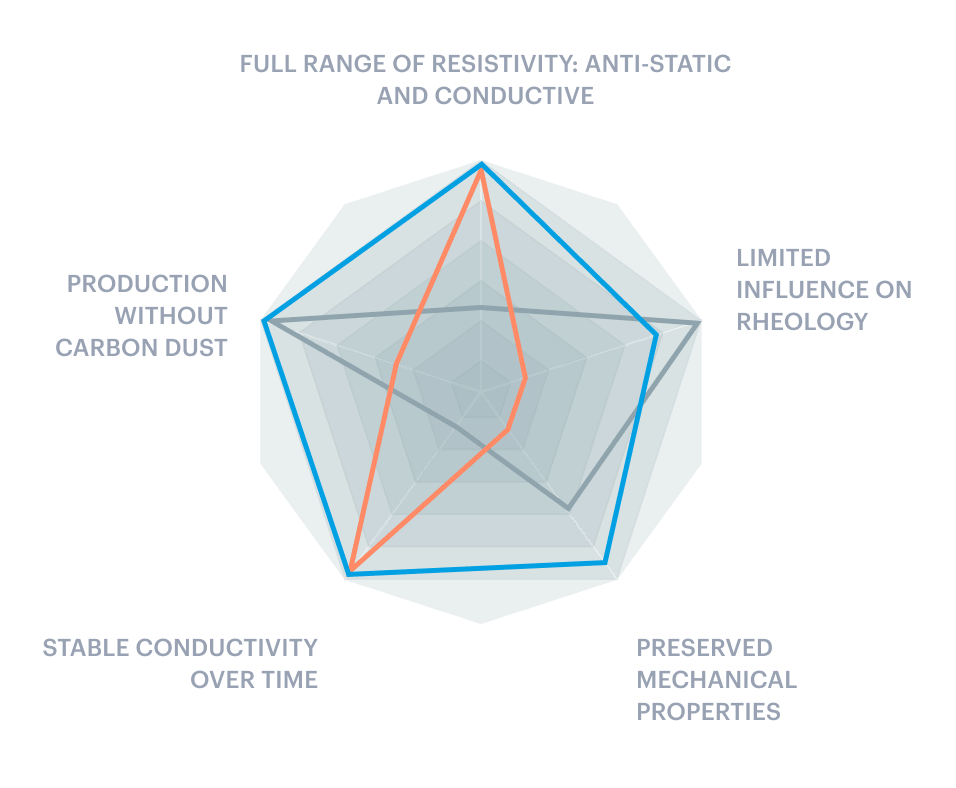
* This diagram provides average trends compared with other additives, based on OCSiAl data. Product performance may vary depending on product type and formulation.

TUBALL™ graphene nanotubes form a uniform 3D conductive network, enabling homogenous anti-static performance without degradation throughout the entire service life even in harsh environments or in elevated humidity. This helps to convey products in explosive areas safely.
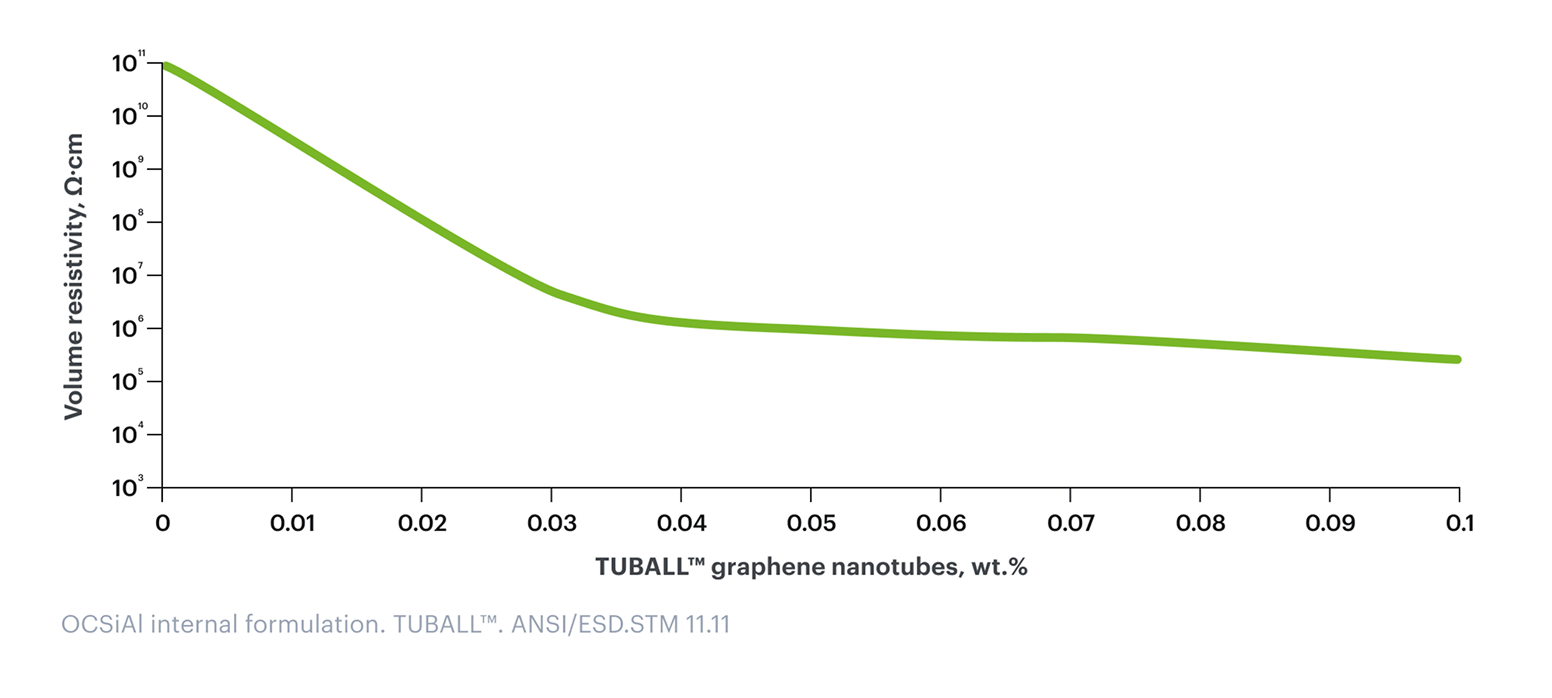

Even in ultralow concentrations, TUBALL™ graphene nanotubes create a uniform conductive and reinforcing network inside materials. This allows manufacturers to avoid the drawbacks associated with previously used additives, such as impaired mechanical properties and carbon release to the material’s surface, while also enabling the production of colored conductive end products, if required.





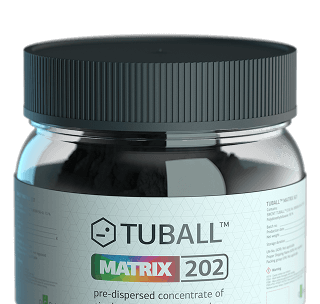
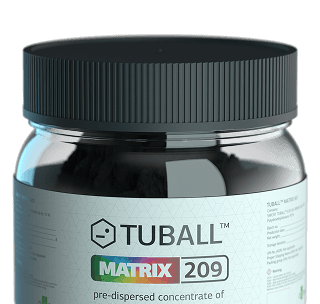
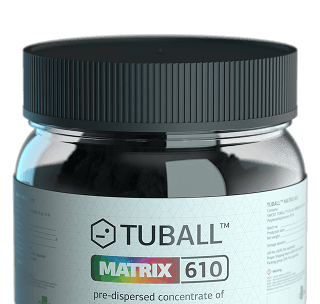
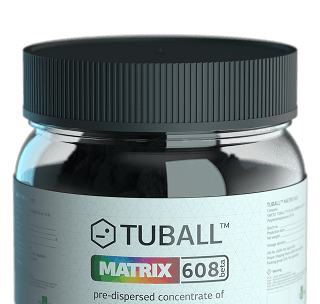
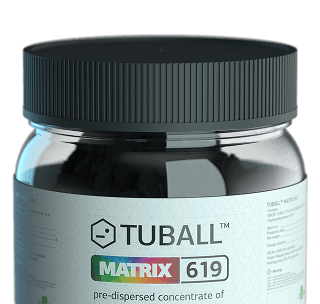
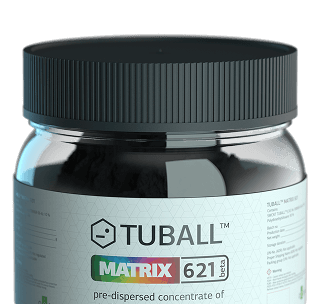
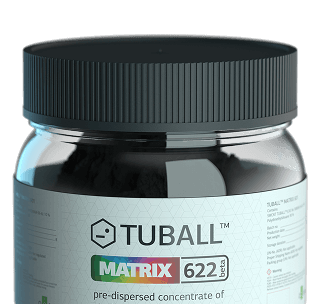
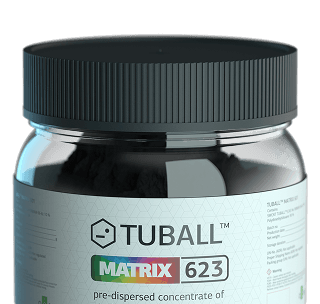
TUBALL™ MATRIX 200 and 600 series are easy-to-use concentrates formulated using polymer carriers with pre-dispersed TUBALL™ graphene nanotubes. They are designed for easy integration into various systems using standard processing and formulation systems.
Contact us for product processing guidelines and additional technical documentation
TUBALL™ MATRIX 610是一种多功能单壁碳纳米管预分散体,专用于三元乙丙橡胶化合物。
TUBALL™单壁碳纳米管提供永久、稳定的导电性水平,并改善各种类型的三元乙丙橡胶的机械性能。
A versatile masterbatch based on TUBALL™ graphene nanotubes and ultralow-viscosity fluoropolymer for improving the electrical conductivity of FKM
An industrial modifier based on TUBALL™ graphene nanotubes and ultralow-viscosity fluoropolymer for improving the electrical conductivity of FKM
An industrial modifier based on TUBALL™ graphene nanotubes and ultralow-viscosity fluoropolymer for improving the electrical conductivity of peroxide-type FKM
An industrial modifier based on TUBALL™ graphene nanotubes and ultralow-viscosity fluoropolymer for improving the electrical conductivity of bisphenol type FKM
An industrial modifier based on TUBALL™ graphene nanotubes and ultralow-viscosity fluoropolymer for improving the electrical conductivity of peroxide-type FKM

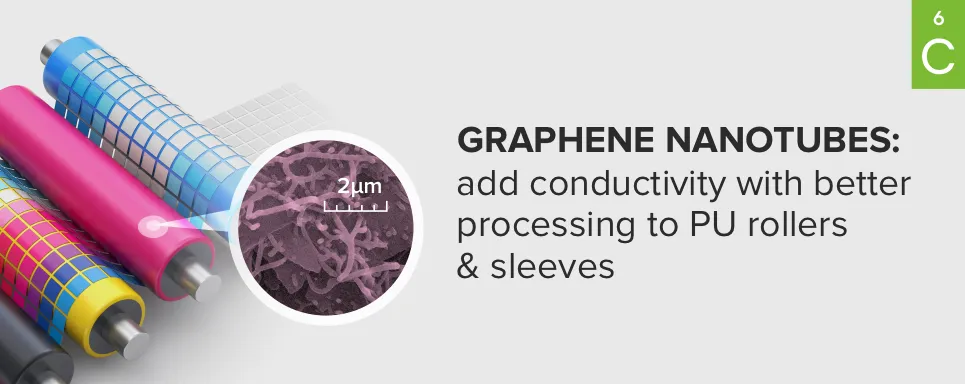
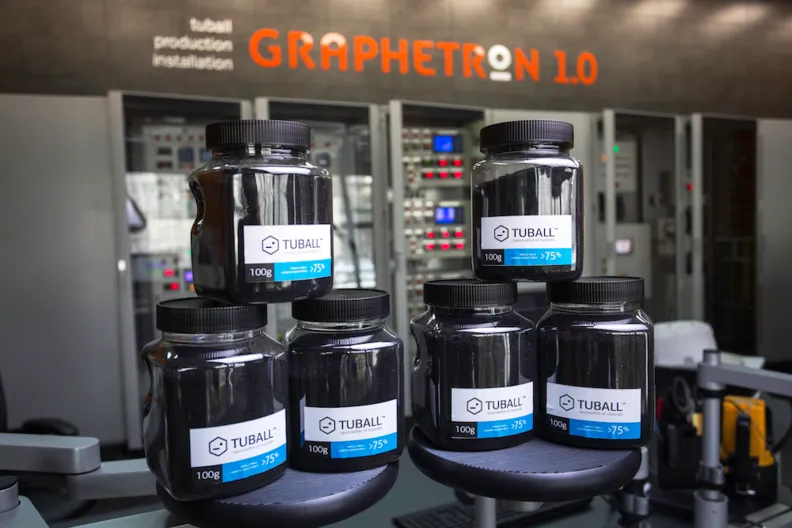
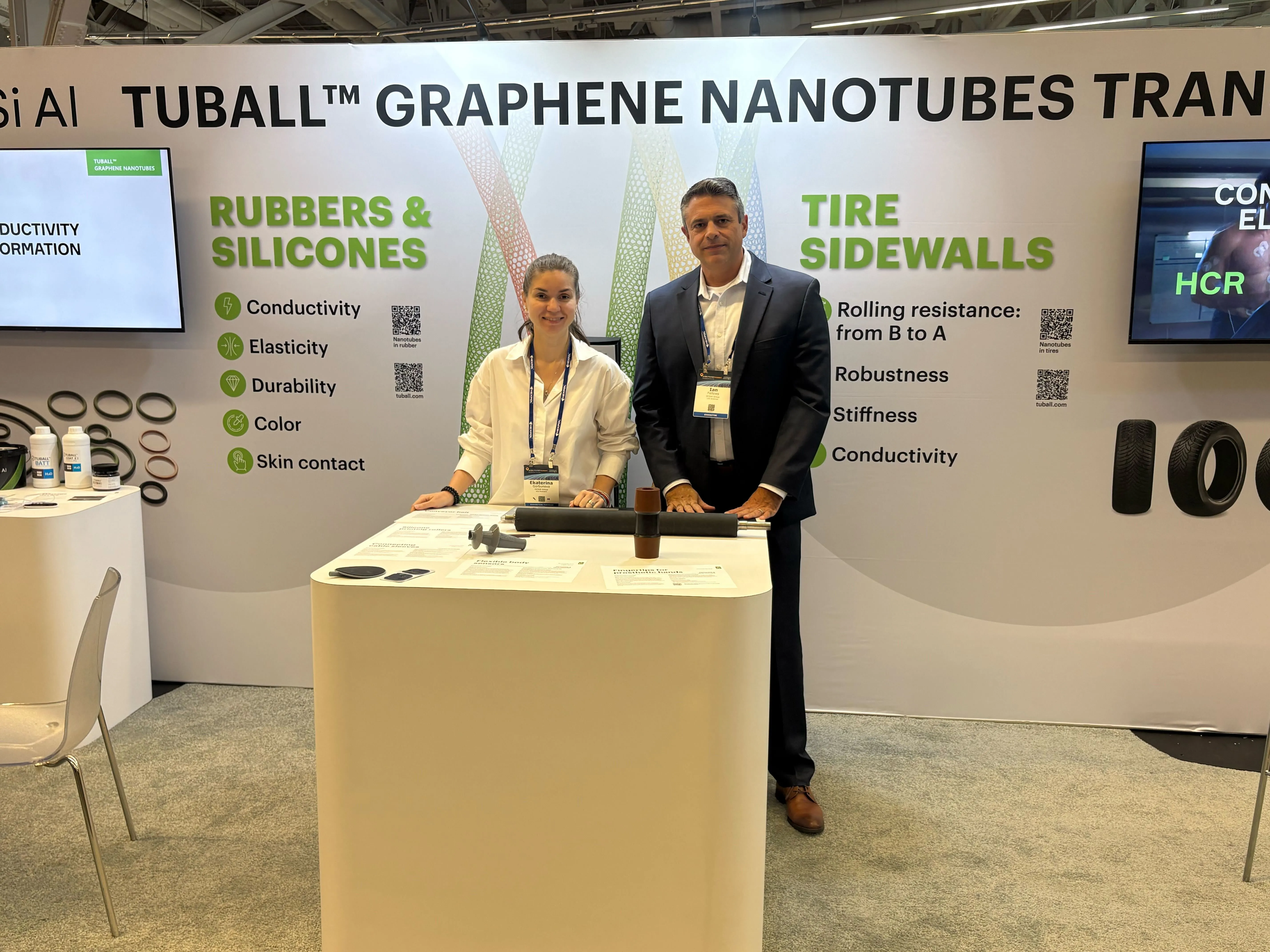
Tuball™ products are not only able to overcome the previous difficulties with nanotube dispersion in PU systems, but they are also effective replacements for the ammonium salts and carbon black antistatic agents conventionally used in PU applications.
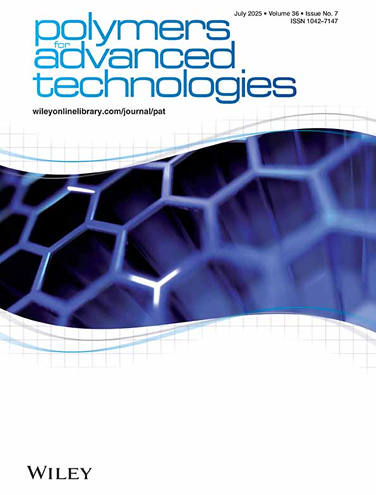
Incorporating small amounts of SWCNTs into CB/silica-filled FKM creates a dense filler network that significantly enhances crosslink density, mechanical strength (up to ~90% tensile and ~105% tear improvement), wear resistance, and electrical conductivity, while optimizing properties at low loadings before agglomeration at higher concentrations limits performance.
Incorporating small amounts of CNTs into fluorinated rubber leverages their radical scavenging ability to stabilize thermal degradation processes, dramatically increasing the continuous use temperature from ~200 °C to 340 °C and significantly expanding the material’s high-temperature application range.