Medicine and Healthcare

Medicine and Healthcare

Graphene nanotubes for medicine and healthcare: precise diagnostics with touch comfort and skin cleanliness

Healthcare devices like wearable electronics, body sensors, bionic prostheses, and massage tools rely on key features: electrical conductivity, elasticity, and softness. These devices must deliver accurate data and signals to and from the human body without causing discomfort and irritation or leaving marks on the skin.


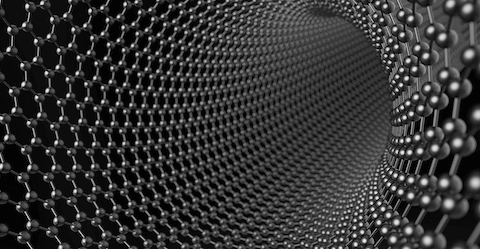
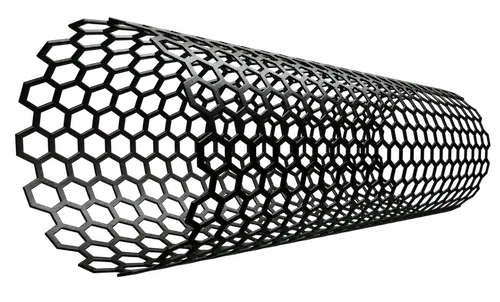
Graphene nanotubes ensure RoHS compliance, provide precise conductivity for accurate sensor measurements, and maintain flexibility and softness — all without compromising skin comfort and device durability.

Graphene nanotubes – the ultimate additive for conductive silicone rubber

Thanks to the unique morphology and characteristics of graphene nanotubes, they provide stable conductive properties to silicone. The granted electrical conductivity enables the precise delivery of electronic impulses to and from the human body, ensuring accurate diagnostics and effective treatment without causing skin contamination.


Ultralow working dosages — dozens of times lower than those of other conductive additives — preserve the final product’s softness and color while maintaining standard processing conditions without generating carbon dust or drastically increasing viscosity.

APPLICATIONS_QUESTIONS

  • Skin electrodes

    Graphene nanotubes form an effective 3D network throughout on-skin sensors, making them electrically conductive and able to receive bioelectrical signals through transmission of electrical currents from the human body, while preserving the original silicone’s low hardness and high elasticity and ensuring non-marking usage and touch comfort.

    READ_MORE
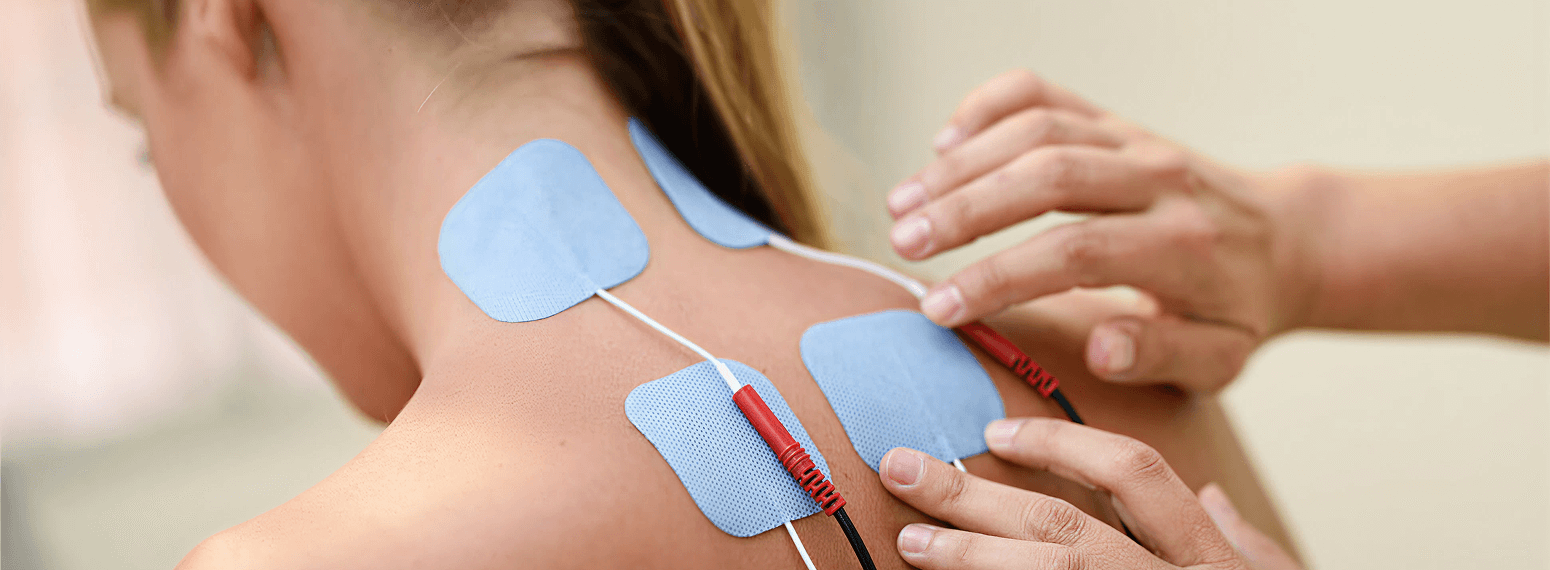

  • Massage devices

    In contrast to carbon black and metallic particles with unstable electrical conductivity, processing issues, risk of skin contamination, and limited flexibility, graphene nanotubes provide EMS massage devices with physiotherapy functionality and comfort without drawbacks.

    READ_MORE
  • Bionic prosthetic

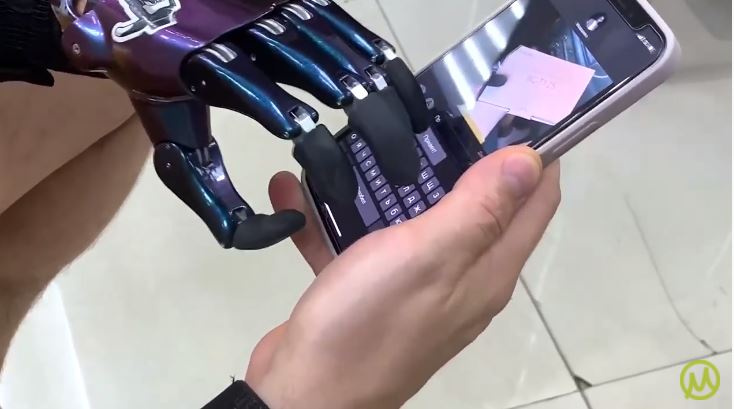
    Nanotubes in silicone fingertips of a prosthesis facilitate the integration of actuators, sensors, and electronic components that transmit electrical currents, providing bionic hand prostheses with touch-screen capability, maintained softness and flexibility, and no skin contamination.

    READ_MORE
  • Wearable electronics

    Earbuds, smartwatch bracelets, and mobile phone keypads enhanced with graphene nanotubes feature stable ESD properties, touch comfort, non-marking performance, and customizable coloration.

    READ_MORE

APPLICATIONS_CONTACTS_TITLE

APPLICATIONS_MEDIA_TITLE Medicine and Healthcare

  • SCIENTIFIC_VALIDATION_TITLE

    E-skin
    E-skin

    E-Skin Development and Prototyping via Soft Tooling and Composites with Silicone Rubber and Carbon Nanotubes

    TUBALL™ SWCNT-based nanocomposites and RTV-2 materials were used to fabricate multilayer electronic skin (e-skin) micropatterns via additive manufacturing. SWCNTs provided reliable electrical pathways with low resistivity in micropattern geometries, enabling scalable, low-cost, and flexible e-skin prototypes with promising mechanical and sensing performance.


    SCIENTIFIC_VALIDATION_PUBLISHED_DATE:
    Biosensors
    Biosensors

    High-performance resistive/capacitive pressure sensor applied on smart insoles detecting abnormal activity

    TUBALL™ dispersed in Ecoflex allows for improved sensitivity with a range from 0.018 (at 500 kPa) to 0.15 kPa⁻¹ (at 5 kPa). The developed sensor accurately detects abnormal activity patterns, such as sudden stops or irregular gait, thereby alerting users to potential safety concerns.


    SCIENTIFIC_VALIDATION_PUBLISHED_DATE:
    Biosensors
    Biosensors

    Molecular-level hybridization of single-walled carbon nanotubes and a copper complex with counterbalanced electrostatic interactions

    SWCNT/transition metal hybrid nanostructured electrodes was produced. These electrodes exhibit excellent electrothermal properties and flexibility, making them ideal for wearable electronics, semiconductors, energy storage, and catalyst research.


    SCIENTIFIC_VALIDATION_PUBLISHED_DATE:
    Electronic textiles
    Electronic textiles

    Acid-Free Liquid Crystalline Single-Walled Carbon Nanotube Polyelectrolytes for Interconnected Fibers, Yarns, and Electronic Textiles

    TUBALL™ forms liquid crystalline polyelectrolyte solutions without superacids, enabling safer, scalable production of conductive yarns and coatings. The resulting fibers demonstrate exceptional mechanical (up to 1179 MPa tensile) and electrical (~1.0 MS/m) performance, suitable for wearable electronics such as biometric sensors


    SCIENTIFIC_VALIDATION_PUBLISHED_DATE:
    Biosensors
    Biosensors

    Flexible Thermoelectric Wearable Architecture for Wireless Continuous Physiological Monitoring

    The body-heat-powered wearable device offers portable, continuous, wireless monitoring of electromyogram and electrocardiogram captures. TUBALL™-based TEGs show stable performance for 7 days, harvesting a high open-circuit voltage of 175–180 mV from the human body to power wireless bioelectronics for continuous signal detection.


    SCIENTIFIC_VALIDATION_PUBLISHED_DATE:
    Biosensors
    Biosensors

    Integration of Cholesterol Oxidase-Based Biosensors on a Smart Contact Lens for Wireless Cholesterol Monitoring from Tears

    A novel smart contact lens enables noninvasive cholesterol monitoring through tear analysis, offering a convenient alternative to blood tests. The integrated biosensor, enhanced with TUBALL™ SWCNTs, provides high sensitivity and wireless signal transmission.


    SCIENTIFIC_VALIDATION_PUBLISHED_DATE:

    APPLICATIONS_VIDEOS_TITLE

    • Nanotubes enable conductive, elastic, soft silicone for healthcare and wearables

    • Graphene nanotubes for elastomers: consistent conductivity with high mechanical performance