Printing

Printing

Graphene nanotubes for industrial printing: high process quality and extended equipment life

As modern printing processes become faster and more automated, they require safer, more functional, and more durable materials and components. Controlled conductivity helps dissipate static electricity, improving ink transfer, reducing dust attraction, enhancing print quality, and minimizing defects during high-speed printing.


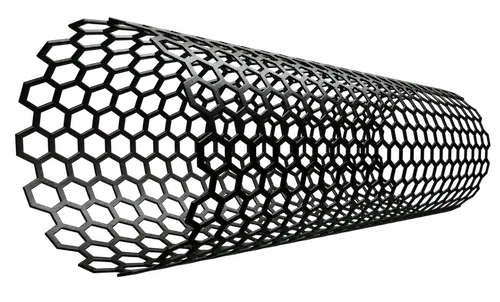
Graphene nanotubes are an advanced anti-static additive for printing components due to their exceptional morphology and properties. When incorporated into rollers, sleeves, blankets, and pads, graphene nanotubes provide uniform and stable electrical conductivity while preserving strong mechanical performance, maintaining a clean product surface, and increasing the lifetime of these components.

Graphene nanotubes—the advanced anti-static agent for printing machine parts

Graphene nanotube–enhanced printing rollers, sleeves, pads, and blankets prevent static buildup from being generated during high-speed operation, supporting compliance with EN 1010 machine safety requirements, IEC 61340 electrostatic standards, and ATEX guidelines for solvent-based processes, as well as improving printing quality by reducing imperfections caused by dust and contamination.


At ultralow loadings, nanotubes provide stable, long-lasting electrical conductivity that remains unaffected by humidity or temperature, while preserving the components’ low hardness, mechanical strength, chemical resistance, and surface quality. Nanotubes enable clean manufacturing with no dust production and ensure no carbon migration during the printing process, providing a good appearance of end products.

APPLICATIONS_QUESTIONS

  • Rollers and sleeves

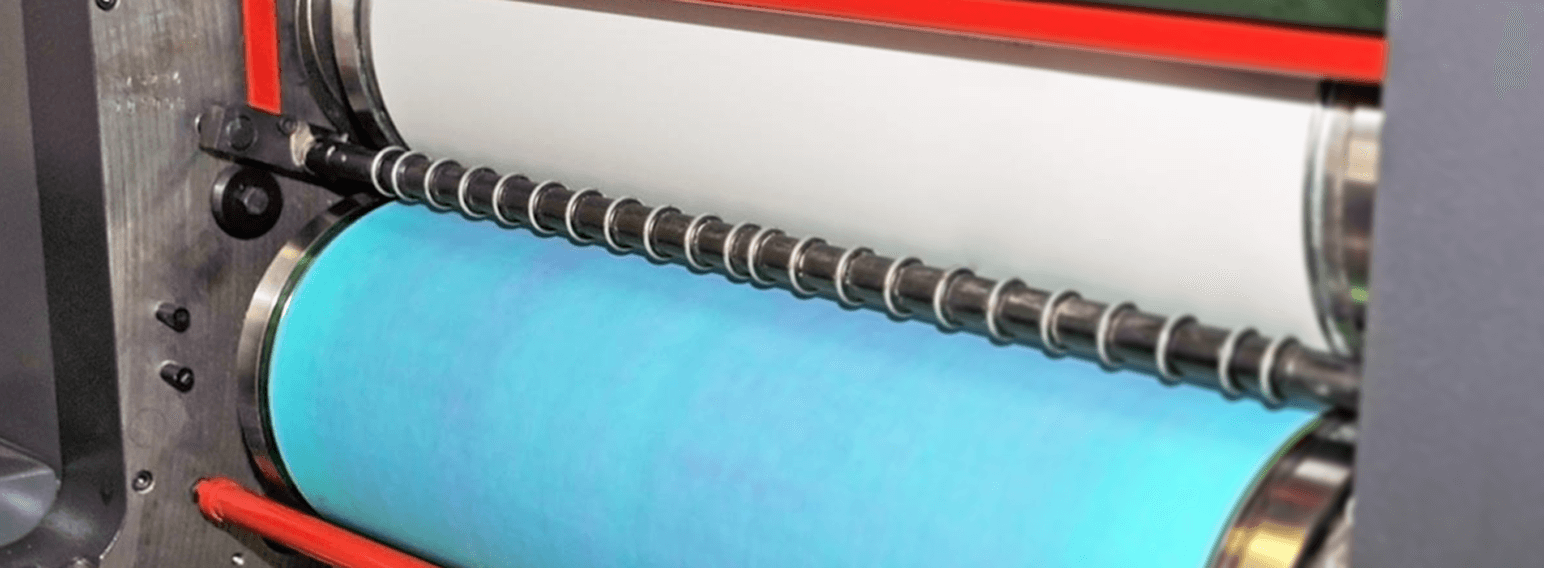
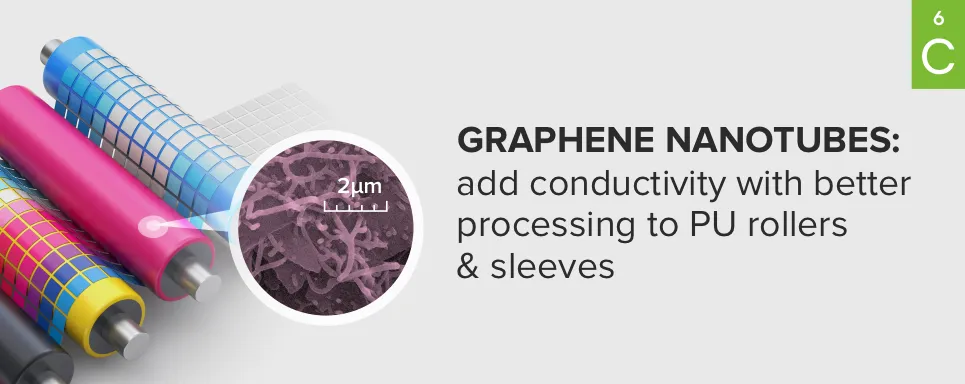
    Graphene nanotubes in rubber, polyurethane, or fiberglass composite printing sleeves and rollers form a permanent conductive network for ESD-safe, low-defect printing. With no carbon migration, the rollers maintain their strong mechanical performance, clean surfaces, and coloring possibility. Their durable, conductive design works with all major ink types and ensures stable, non-marking performance in flexographic printing on plastic, cardboard, and paper.

    Rollers and sleeves
  • Printing pads

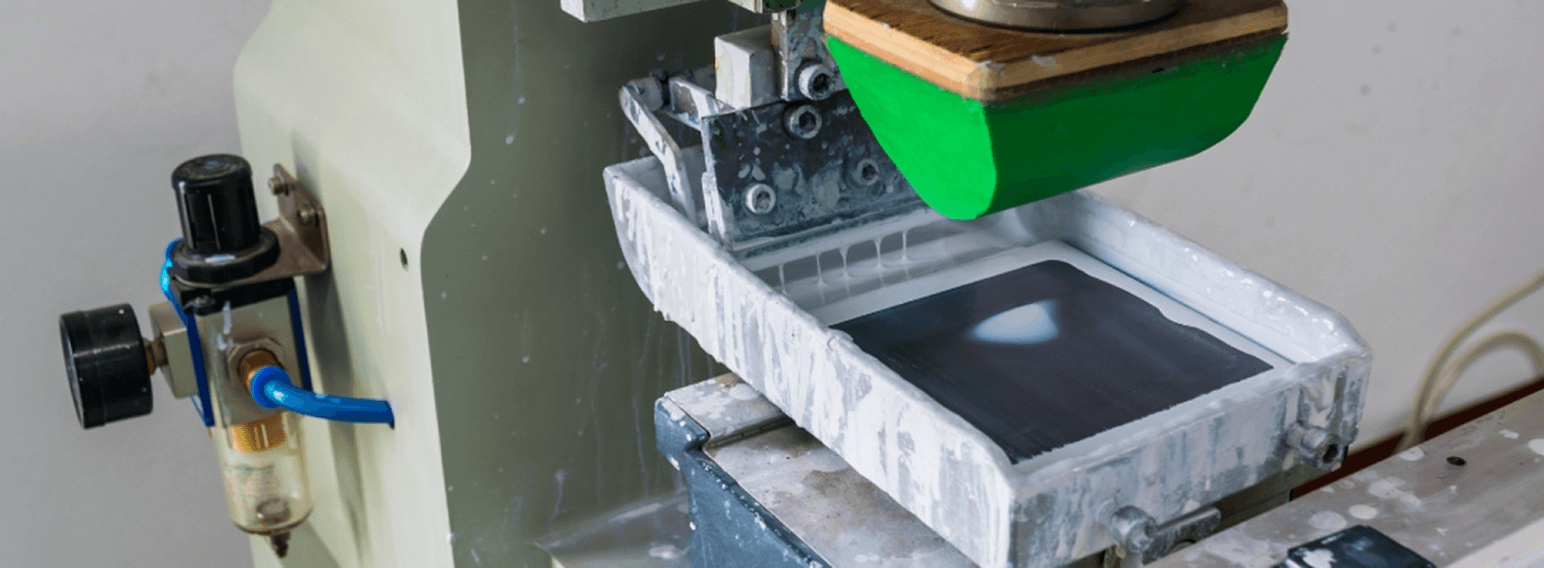
    Silicone print pads enhanced with graphene nanotubes deliver durable, non-marking, electrically conductive performance in pad printing, preventing static-related defects such as contamination, poor ink transfer, and potential damage to sensitive substrates. The ultralow dosage of the anti-static additive preserves the pad printing head’s low hardness, elasticity, color flexibility, and mechanical stability, even under frequent use.

    Printing pads
  • Printing blanket

    A conductive polyurethane (PU) printing blanket enhanced with graphene nanotubes is designed for use with solvent-based inks. It shows permanent, stable electrical resistivity, reduced weight, and increased durability, ensuring there is no negative impact on surface quality or mechanical performance. This results in a safer, more reliable, and smoother printing process.

    Printing blanket

APPLICATIONS_CONTACTS_TITLE