Wearable devices
Graphene nanotube–enhanced earbuds, smartwatch straps, and phone keypads combine stable conductive performance with superior comfort, clean non-marking surfaces, and flexible color design.
READ_MORE

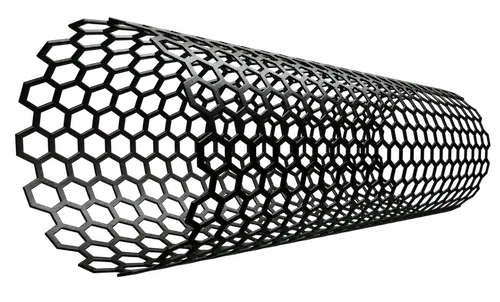
Everyday sports and leisure products demand function, comfort, durability, and style. Graphene nanotubes add advanced performance and extended functionality by delivering stable, long-lasting electrical conductivity that remains unaffected by humidity, time, or movement—all while preserving softness, flexibility, and a wide range of colors and designs.
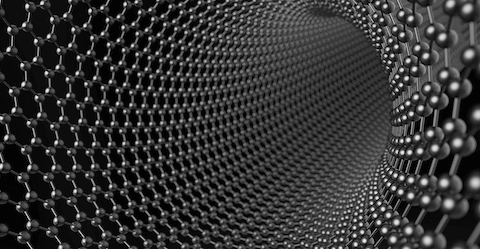
Thanks to their unique morphology and exceptional properties, graphene nanotubes impart stable, long-lasting electrical conductivity to a wide range of materials. This adds advanced functionality and safety to wearables, sports gear, and everyday products, as well as enabling the creation of more durable and efficient batteries for consumer electronics.
With ultralow working dosages—tens of times lower than those required for other conductive additives—graphene nanotubes preserve the base material’s original characteristics. The result is end products that maintain their softness, flexibility, vibrant color range, and overall comfort while gaining next-level performance.
APPLICATIONS_QUESTIONS
Graphene nanotube–enhanced earbuds, smartwatch straps, and phone keypads combine stable conductive performance with superior comfort, clean non-marking surfaces, and flexible color design.
READ_MOREGraphene nanotubes empower EMS massage devices with reliable physiotherapy functionality and exceptional comfort—without the drawbacks associated with using carbon black or metallic additives, like skin contamination or material rigidity.
READ_MORE
Graphene nanotubes deliver lasting anti-static protection while preserving the high transparency of 3C films. They enhance durability, touch screen functionality, and appearance, keeping smartphones, tablets, and laptops safe from various forms of damage, such as static discharge, scratches, fingerprints, and dust.
READ_MORE
Being nature’s longest and most flexible conductive material, graphene nanotubes unlock faster charging, longer life, and higher energy for batteries that keep today’s electronics running stronger and longer.
READ_MORE
APPLICATIONS_CONTACTS_TITLE



TUBALL™ SWCNT-based nanocomposites and RTV-2 materials were used to fabricate multilayer electronic skin (e-skin) micropatterns via additive manufacturing. SWCNTs provided reliable electrical pathways with low resistivity in micropattern geometries, enabling scalable, low-cost, and flexible e-skin prototypes with promising mechanical and sensing performance.

TUBALL™ dispersed in Ecoflex allows for improved sensitivity with a range from 0.018 (at 500 kPa) to 0.15 kPa⁻¹ (at 5 kPa). The developed sensor accurately detects abnormal activity patterns, such as sudden stops or irregular gait, thereby alerting users to potential safety concerns.

SWCNT/transition metal hybrid nanostructured electrodes was produced. These electrodes exhibit excellent electrothermal properties and flexibility, making them ideal for wearable electronics, semiconductors, energy storage, and catalyst research.

TUBALL™ forms liquid crystalline polyelectrolyte solutions without superacids, enabling safer, scalable production of conductive yarns and coatings. The resulting fibers demonstrate exceptional mechanical (up to 1179 MPa tensile) and electrical (~1.0 MS/m) performance, suitable for wearable electronics such as biometric sensors

The body-heat-powered wearable device offers portable, continuous, wireless monitoring of electromyogram and electrocardiogram captures. TUBALL™-based TEGs show stable performance for 7 days, harvesting a high open-circuit voltage of 175–180 mV from the human body to power wireless bioelectronics for continuous signal detection.

A novel smart contact lens enables noninvasive cholesterol monitoring through tear analysis, offering a convenient alternative to blood tests. The integrated biosensor, enhanced with TUBALL™ SWCNTs, provides high sensitivity and wireless signal transmission.