Extraction
and Processing

Extraction and Processing

Graphene nanotubes for extraction and processing: stable ESD protection with enhanced durability

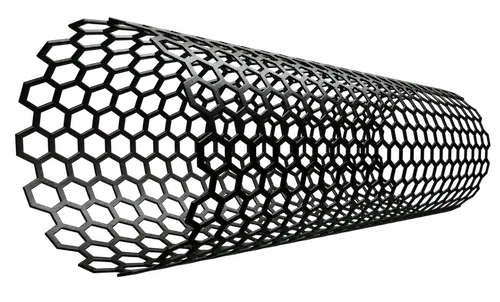
In extraction and processing sectors such as oil & gas, mining, and chemical production, equipment operates under extreme conditions, including corrosion, abrasion, chemical exposure, and high temperatures. Graphene nanotubes provide materials with reliable, electrostatic discharge protection, preventing sparks that pose serious risks in ATEX-sensitive atmospheres, while preserving high durability and strong mechanical performance.

Graphene nanotubes—the key antistatic additive for extraction and processing

Antistatic components enhanced with graphene nanotubes are essential in the extraction and processing industries, providing permanent, humidity- and temperature-independent conductivity while maintaining mechanical strength, color flexibility, and long-term durability.


By safely dissipating static electricity, they prevent ignition risks, ensure reliable operation, and protect equipment, maintaining compliance with ATEX and IECEx safety standards.

APPLICATIONS_QUESTIONS

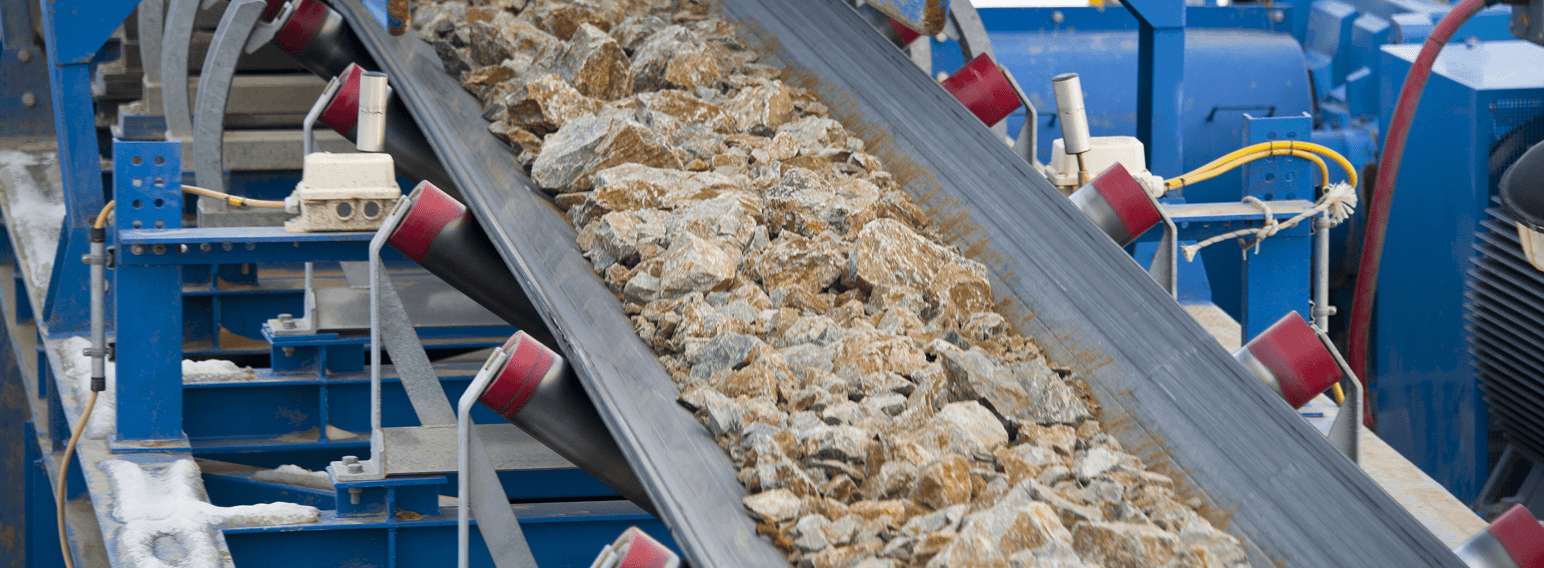
  • Conveyor equipment parts

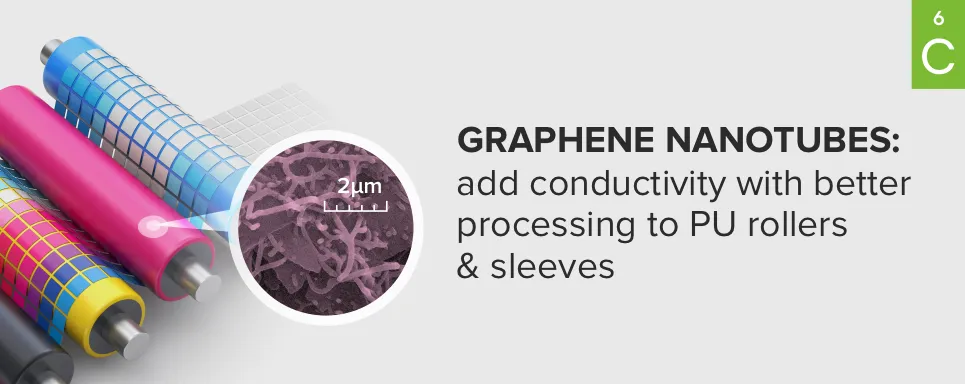
    Graphene nanotube-enhanced rollers, sleeves, and dampers deliver stable ESD-safe performance, preventing static buildup that can damage products or endanger workers. They also offer superior tensile strength, adhesion, and wear resistance, with no carbon migration to the surface.

    Conveyor equipment parts
  • Industrial coatings

    Flooring, gelcoats, and various equipment coatings enhanced with graphene nanotubes protect ATEX-sensitive zones from damage and hazards caused by electrostatic discharge, ensuring durability, easy maintenance, and long-term antistatic performance

    READ_MORE
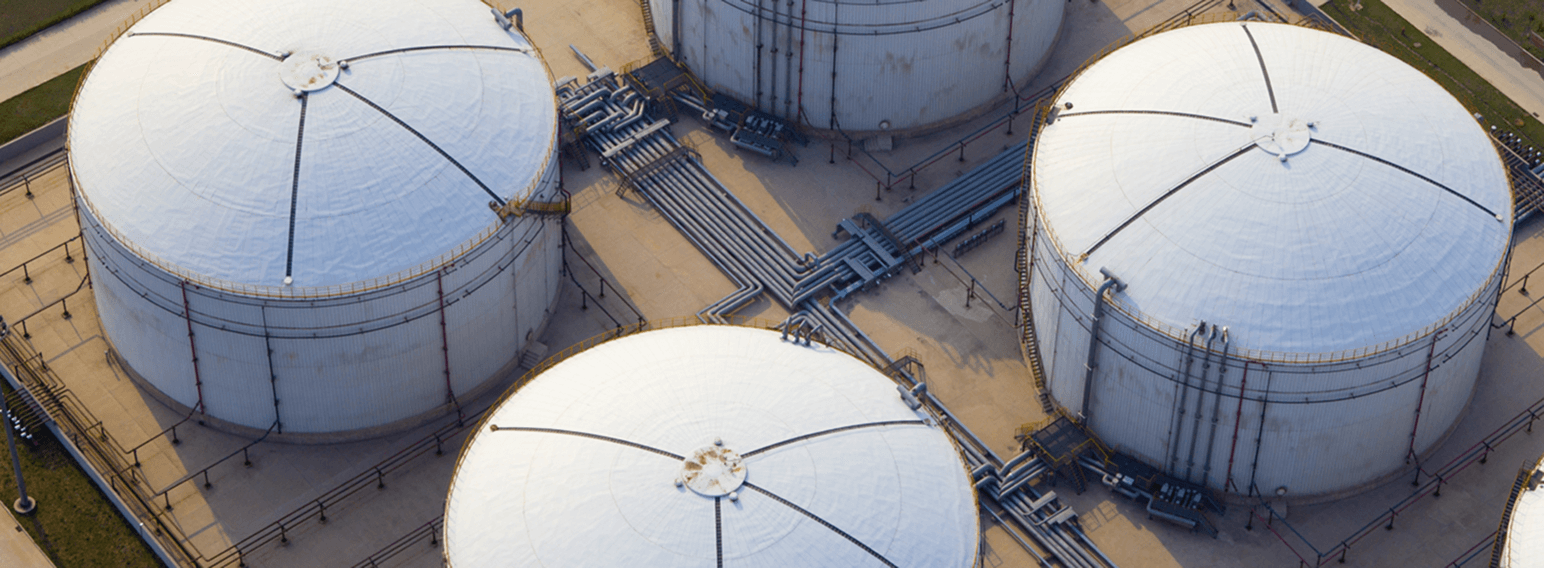
  • Tank lining coatings

    Graphene nanotubes make it possible to produce light-colored, durable storage tank lining coatings with built-in ESD protection, using standard manufacturing technologies and equipment. These advanced linings meet international standards and safety recommendations, including EN 14015, TRbF 401, NFPA 77, and their regional equivalents.

    READ_MORE
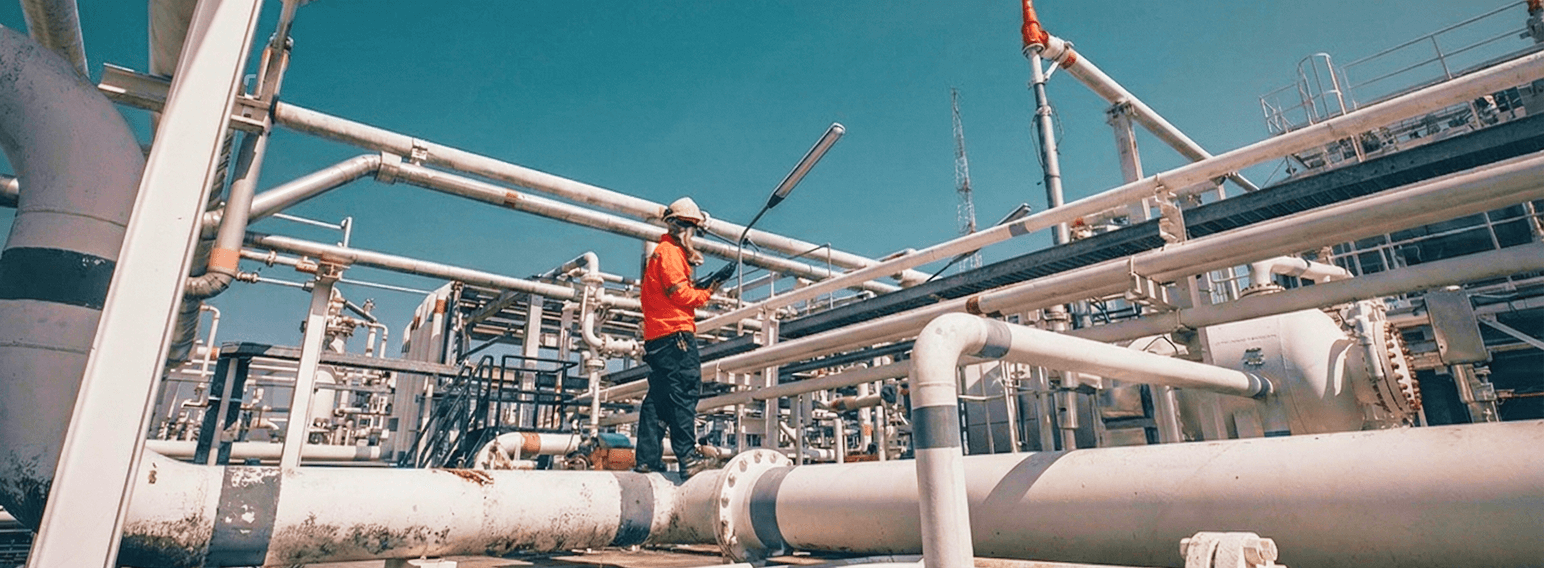
  • FRP composite pipes

    Graphene nanotubes form a uniform, long-lasting conductive network within epoxy resin, ensuring every part of the pipe safely dissipates static charge throughout its service life. They also remove the need for conductive paint or carbon roving and preserve the pipe’s original mechanical properties.

    FRP composite pipes
  • Industrial rubber parts

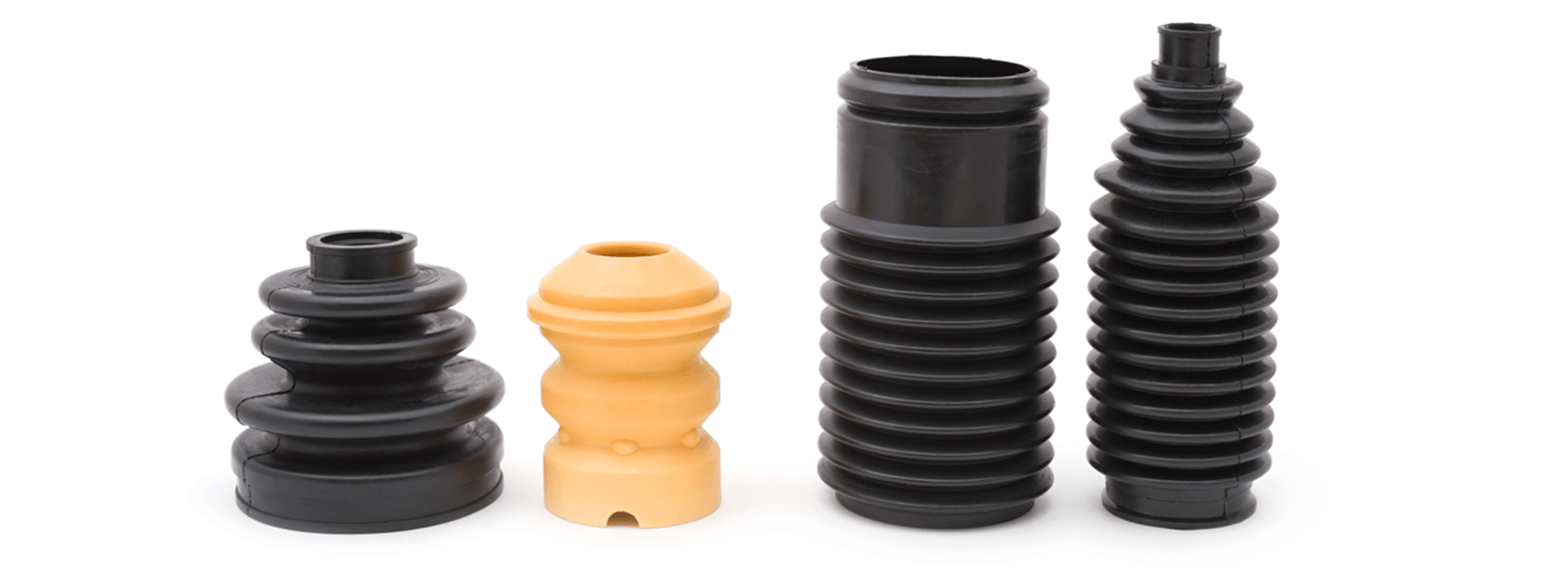
    Antistatic and ESD-protective rubber parts enhanced with graphene nanotubes safely dissipate electrostatic discharges, ensuring regulatory compliance (ATEX/IECEx) and protecting both equipment and personnel. Their improved mechanical strength extends service life and reduces material waste, while the clean, carbon-free surface broadens application possibilities and simplifies handling.

    Industrial rubber parts
  • Industrial storage

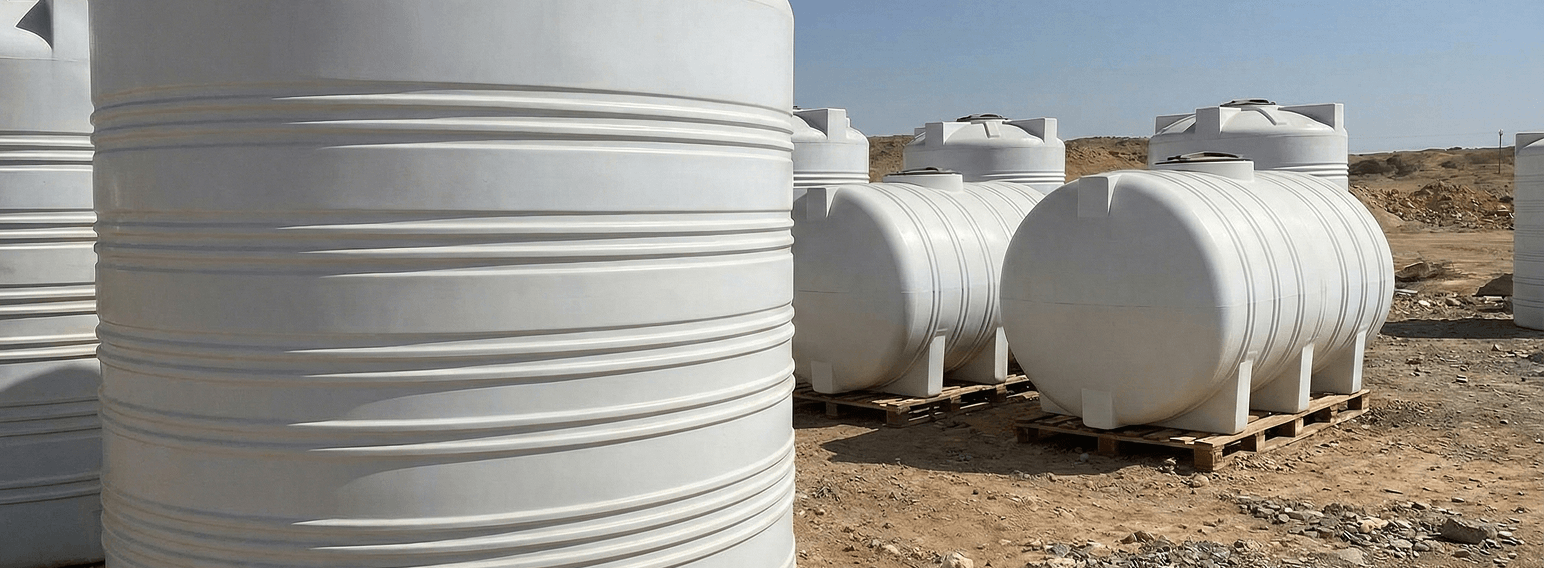
    Rotomolded storage containers and conductive GFRP tanks containing graphene nanotubes deliver permanent, humidity-proof antistatic protection for the safe storage of flammable chemicals. Combining lasting electrostatic safety with exceptional strength and color versatility, they offer durable, customizable storage solutions built to perform over time.

    Industrial storage
  • Protective enclosures

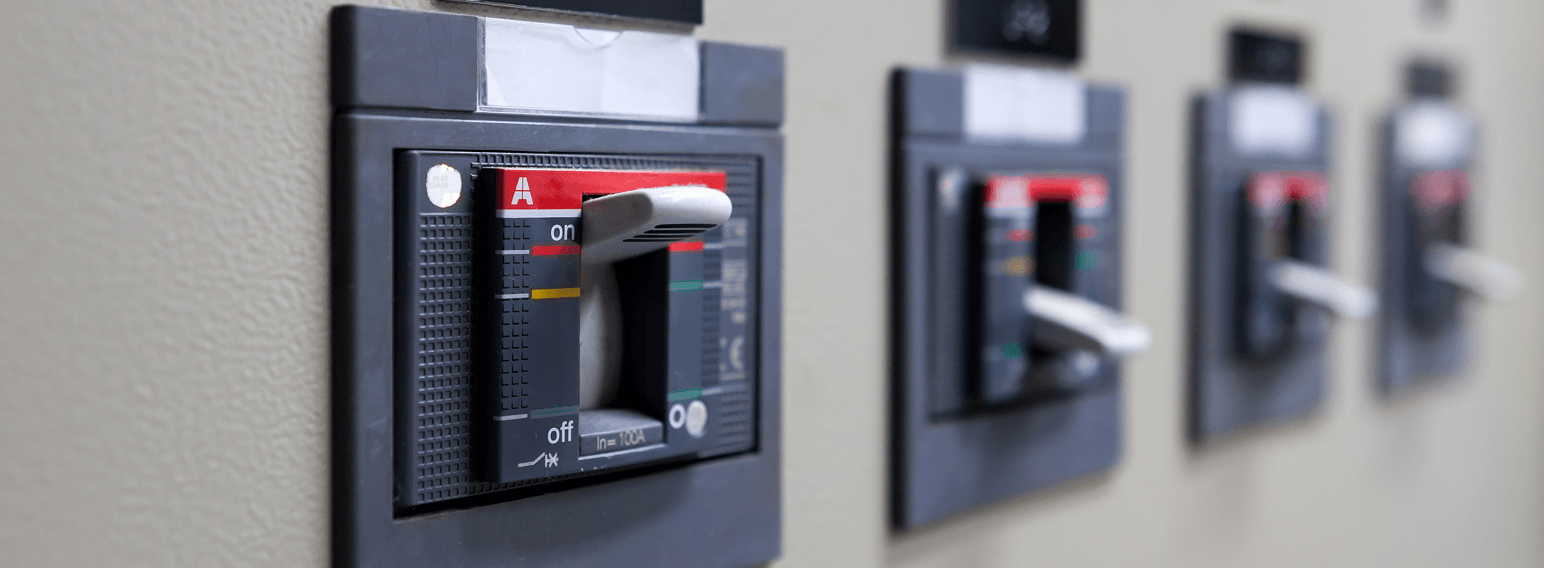
    Antistatic protective enclosures enhanced with graphene nanotubes prevent equipment from becoming an ignition source in hazardous zones, delivering exceptional durability under extreme temperature, humidity, and chemical exposure. They also offer color flexibility and a clean, dust-free production process without carbon black.

    Protective enclosures

APPLICATIONS_CONTACTS_TITLE

APPLICATIONS_MEDIA_TITLE Extraction and Processing

  • SCIENTIFIC_VALIDATION_TITLE

    Floor coating
    Floor coating

    Raman Spectroscopy Unfolds the Fate and Transformation of SWCNTs after Abrasive Wear of Epoxy Floor Coatings

    As a part of Diagonal EU project, FORTH, OCSiAl, STAT PEEL and other members examined TUBALL™ release from epoxy composites during abrasion tests. The level of nanotubes detected were below the LoQ.


    SCIENTIFIC_VALIDATION_PUBLISHED_DATE:
    Film coating
    Film coating

    Enhancing the Electrical Conductivity and Strength of PET by Single-Wall Carbon Nanotube Film Coating

    TUBALL™ SWCNTs were hot-pressed onto PET films, forming a uniform, conductive network that significantly boosted electrical and mechanical performance at an ultralow loading of just 0.066 wt%. The resulting SWCNT/PET hybrid film achieved low surface resistance, with notable gains in tensile strength and modulus, offering durable, thermally stable performance for antistatic applications.


    SCIENTIFIC_VALIDATION_PUBLISHED_DATE:

    APPLICATIONS_VIDEOS_TITLE

    • How to make colored conductive gelcoats: unveiling high-performance industrial technology

    • How can you prevent ESD damage to your workers and equipment?